




January 24, 2026

Rack Attack Team
If you own a Tesla Model Y or any modern EV, you know the specific dread that sets in when planning a road trip. It’s not about where you’re going; it’s about if you can get there without adding an hour of charging time.
"Range Anxiety" is the silent passenger in every electric vehicle. And the moment you decide to bolt a plastic box to the roof to carry your skis or camping gear, that passenger starts screaming.
At Rack Attack, we install thousands of racks on EVs every year—from Model 3s to Rivians. But the #1 question we get isn't "Does it fit?"—it’s "How many miles of range will I lose?"
The answer is complicated. We analyzed real-world testing data and wind tunnel physics to settle the debate once and for all: Roof Rack vs. Hitch Box.
Here is the definitive guide to carrying gear on your Tesla or EV without killing your battery.
The Hard Numbers: The "Aerodynamic Penalty"
First, let's address the elephant in the room. Most forums will tell you that a roof box ruins your efficiency. According to the data, they are mostly right—but it depends heavily on what you buy.
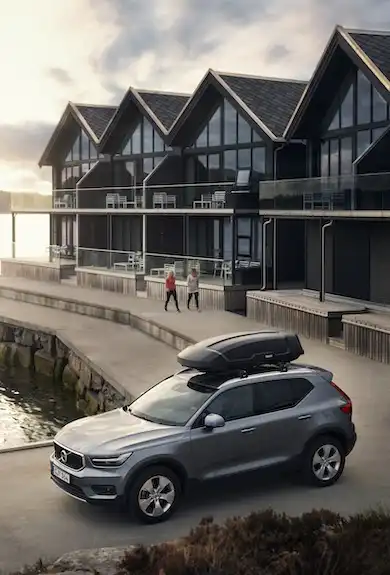
1. The Roof Box (The Drag Anchor)
- The Data: Expect a 12% to 15% range loss at highway speeds (70 mph+).
- The Physics: EVs like the Tesla Model Y (Drag Coefficient ~0.23) are designed to be incredibly slippery. Putting a 20-inch tall box on top is aerodynamic suicide.
- Real-World Math: If your EV has a 300-mile range, a standard roof box deletes roughly 45-50 miles.
- Result: That’s the difference between making it to the next Supercharger with 10% battery or arriving on a flatbed truck.
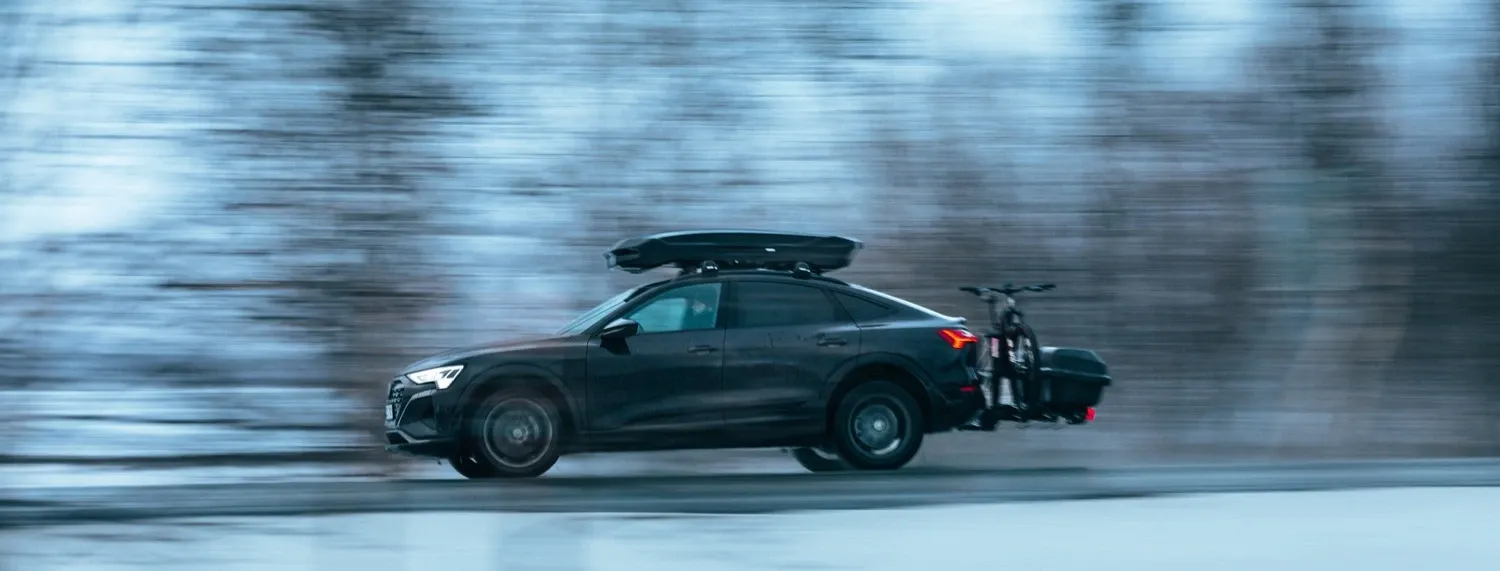
2. The Hitch Box (The Slipstream Hack)
- The Data: 0% Range Loss (and in some cases, a 5% gain).
- The Physics: This is the secret weapon. Hitch cargo boxes like the Thule Arcos sit behind the vehicle in the "slipstream" (the vacuum of air trailing your car).
- The Surprise: In Thule’s internal testing on a VW ID.4 fleet, the cars with the Arcos box actually drove further than the naked cars because the box smoothed out the turbulent air at the rear bumper.
Tesla & EV Fitment Guide: What Fits Your Car?
Finding the right rack for a Tesla can be confusing because of the unique roof designs. Here is exactly what fits the most popular electric cars safely.
For Tesla Model Y Owners
You have the most popular EV in the world, but the unique roof design makes many owners nervous about clamping anything onto it.
- The Roof Route: Currently, Thule does not make a direct fit kit for the Model Y’s unique roof.
- Recommendation: Buy the official Tesla Model Y Roof Rack directly from Tesla ($500). It is the only rack engineered to mount onto the factory mounting points safely.
- The "Rack Attack" Upgrade: Once you have the factory bars installed, come to us for the accessories. The Tesla bars use a standard "T-Slot" channel, which means they are perfectly compatible with Thule Motion 3 boxes, Yakima Ski Racks, and Bike Carriers.
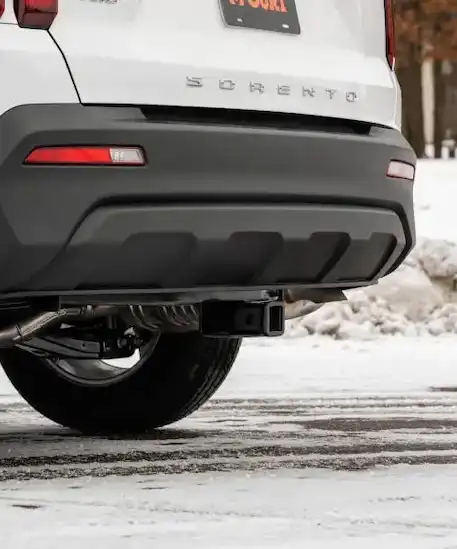
- The Hitch Route: If you have the "Tow Package," use it. This is your best option for range. If you don't have a hitch, we can install a stealth one that remains hidden when not in use.
For Tesla Model 3 Owners
The Model 3 is trickier due to the shorter roofline and frameless windows.
- The Problem: You cannot just clamp any rack onto the door jambs. Cheap "universal" racks will crack your glass or pinch the door seals, causing leaks.
- The Solution: Use a Custom Fit Kit that distributes pressure evenly. We highly recommend the Yakima JetStream system because the towers are engineered to be incredibly gentle on the glass edges.
For Rivian, Ioniq 5 & Mach-E Owners
The Rule: Most of these crossover EVs have factory flush rails. You have more flexibility than Tesla owners, but the Range Rules still apply. If you want to preserve your highway miles, prioritize the hitch.
The Showdown: Top 3 EV Cargo Solutions Ranked
We’ve ranked the top contenders for 2026 based on Efficiency and Utility.
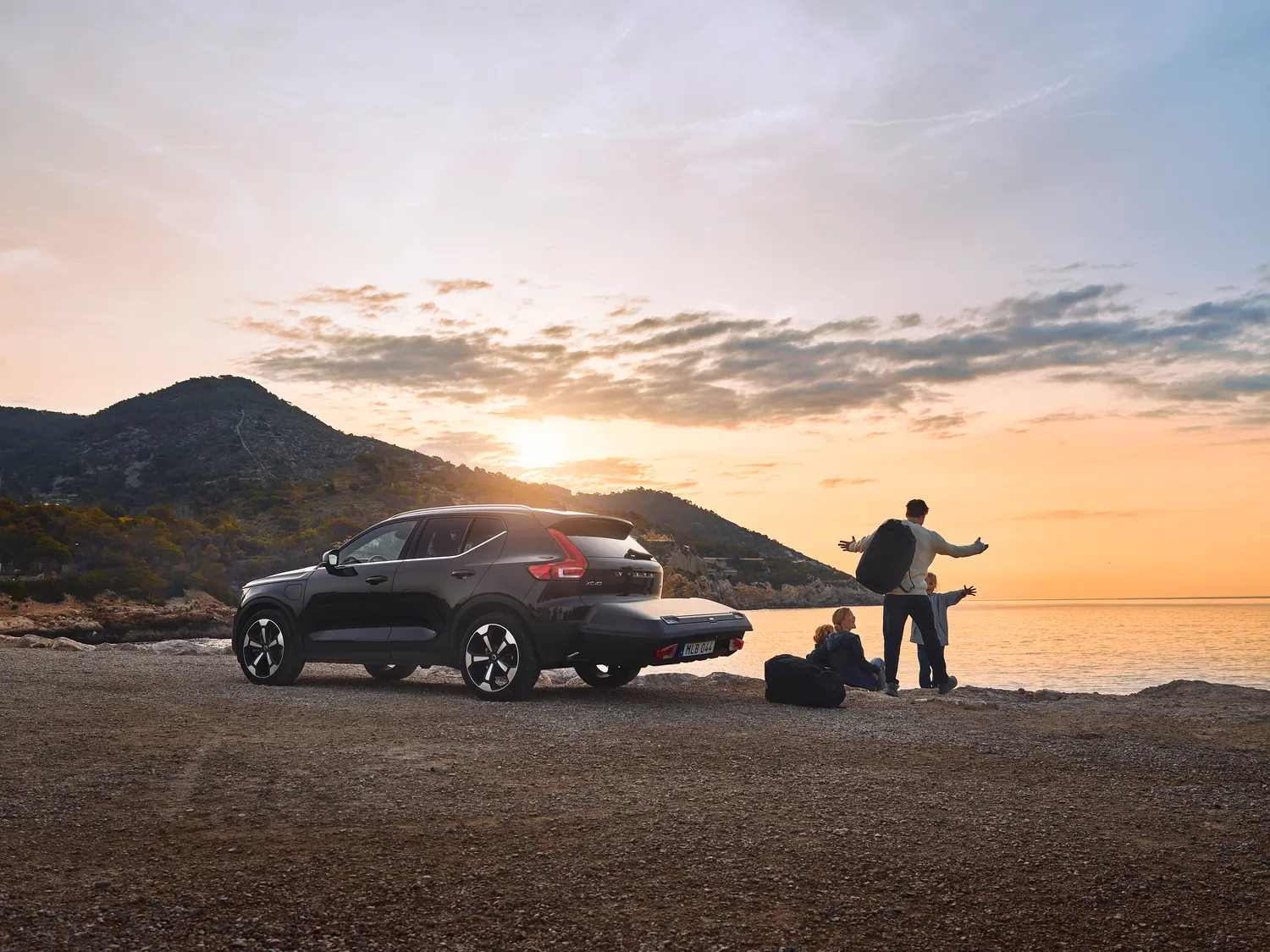
1. The Range King: Thule Arcos (Hitch Box)
If you are a "Hyper-miler" who watches your energy graph like a hawk, this is the only choice.
- The Setup: A hard-shell, weather-proof box that mounts to your trailer hitch.
- The Good: Zero Range Loss. Silent (no wind noise). Waist-Level Loading.
- The Bad: Cost (It’s an investment in the $1,400+ range). Length (It’s too short for adult skis unless you angle them perfectly—check measurements first).
- Verdict: The ultimate road-trip companion for the Model Y and Rivian R1S.
2. The Aero Champion: Thule Motion 3 "Low" (Alpine)
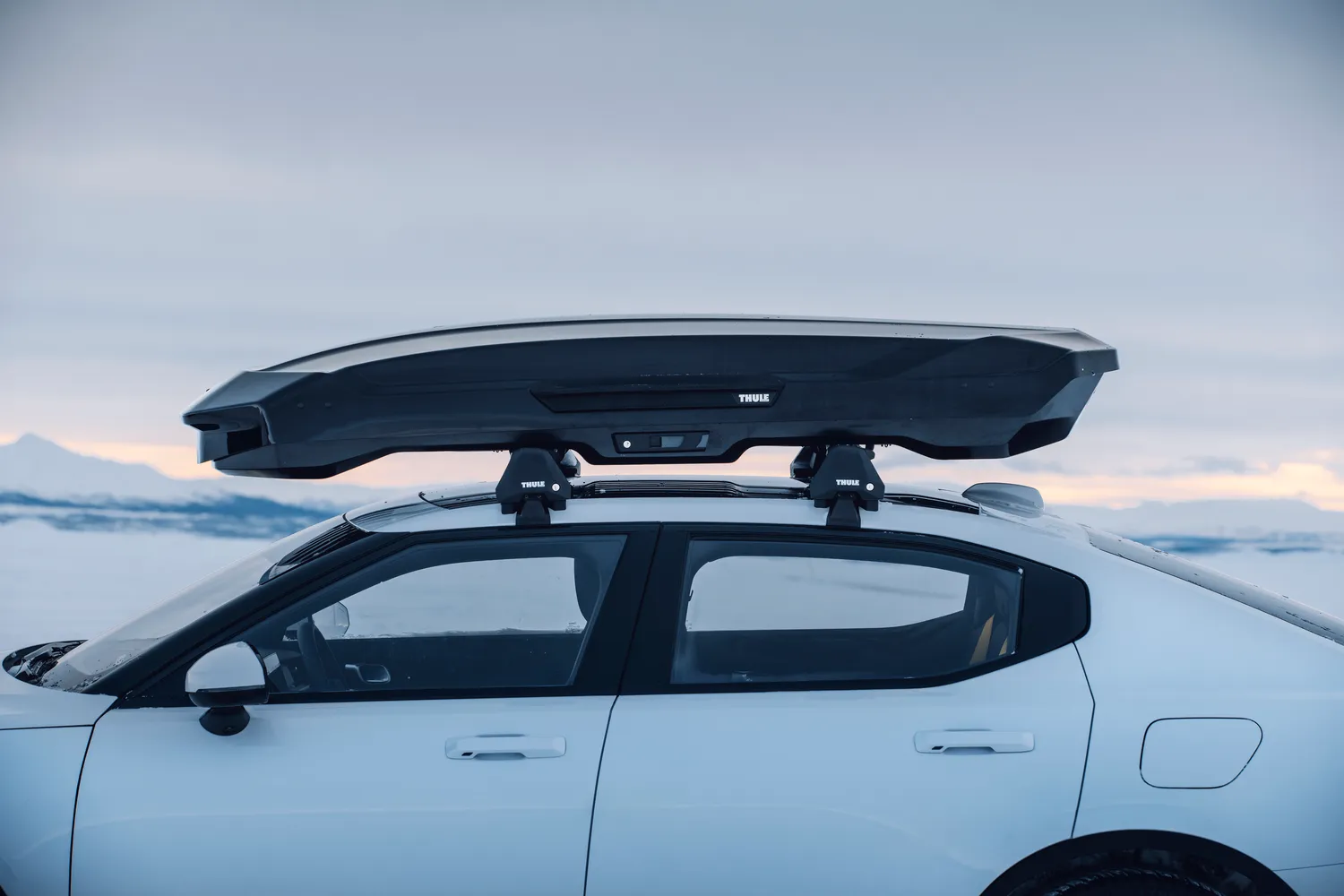
If you are a skier, you need a roof box. Hitch boxes generally aren't long enough for 190cm powder skis.
- The Setup: The newest generation of Thule’s flagship box, specifically the "Alpine" (Low) profile.
- The Good: Aerodynamics (The nose is shaped to cut wind, reducing that 15% range loss down to ~10-12%). Capacity (Swallows 5-6 pairs of skis or 4 snowboards easily).
- The Bad: Clearance (You must measure your garage door height).
- Verdict: The best compromise for winter sports enthusiasts who need length.
3. The Transformer: Yakima EXO System
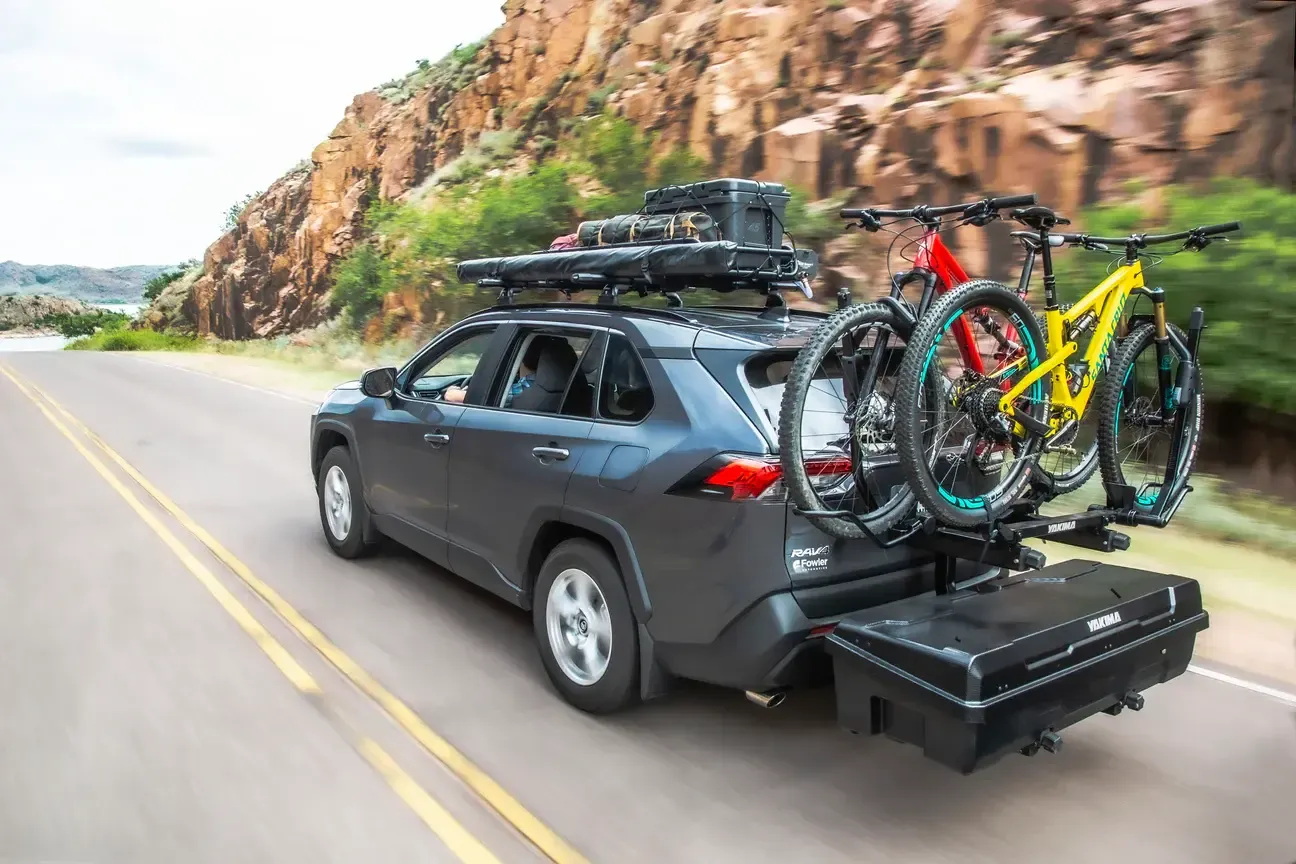
For the gear junkie who does everything.
- The Setup: A swing-away hitch frame that accepts different "tops"—a cargo box today, a bike rack tomorrow, a camp kitchen on the weekend.
- The Good: Versatility (You aren't stuck with just a box). Access (It swings out 180 degrees so you can open your trunk fully, even when loaded).
- The Bad: Weight (The system itself is heavy steel, which affects payload, though not aero range).
- Verdict: Perfect for the overland/camping crowd.
FAQ: Questions We Get in the Shop
Q: "I don't have a hitch on my Tesla. Can you install one?"
A: Yes. Rack Attack installs hitches on thousands of EVs annually. Unlike the dealer, we don't charge you $500 just to look at the car. We use stealth hitches that look factory-fresh.
Q: "Will the hitch box block my backup sensors?"
A: Yes. Your EV will likely alert you when you reverse.
The Fix: Put your car in "Trailer Mode" (Tesla) or manually disable Rear Park Assist. This tells the computer, "I know something is back there, relax."
Q: "Is the range loss on a roof box really that noticeable?"
A: On a city drive? No. On a highway road trip at 75mph? Absolutely.
The Test: If you usually stop every 3 hours to charge, a roof box might force you to stop every 2.5 hours. For many families, avoiding that extra stop is worth the cost of a hitch box.
The Rack Attack Verdict
If you can afford the upfront cost, Get the Hitch Box (Thule Arcos). The math is simple: It pays for itself in electricity savings and saved time at charging stations over the life of the car. Plus, loading groceries or gear at waist height is a luxury you won't want to give up.
But if you ski, stick to the Thule Motion 3 Alpine roof box. Just plan your charging stops a little closer together.
Ready to fit your EV? Don't guess. Drop by one of our Rack Attack Locations. We’ll let you test-fit the box on your car before you buy it to ensure it clears your hatch and looks perfect.


