




January 31, 2026

Rack Attack Team
If you have spent any time on Instagram, you’ve seen the dream: a 4Runner parked on a cliff edge, a rooftop tent popped open, and a couple drinking coffee while watching the sunrise.
What Instagram doesn't show you is the reality of wrestling with a dusty zipper in the rain for 20 minutes while your partner holds a flashlight.
Roof Top Tents (RTTs) are the ultimate camping upgrade, but they are also a significant investment ranging from $1,500 to over $4,000. The biggest choice you will make is the shell type: Soft Shell or Hard Shell.
At Rack Attack, we’ve slept in both. We’ve driven them through crosswinds and set them up in freezing storms. Here is the honest truth about which one you actually need.
1. The Soft Shell Tent (The "Classic" Choice)
Best For: Families, Budget Shoppers, and Space-Savers.
The Top Pick: Yakima SkyRise HD ($1,800+) or Thule Approach ($2,500+)
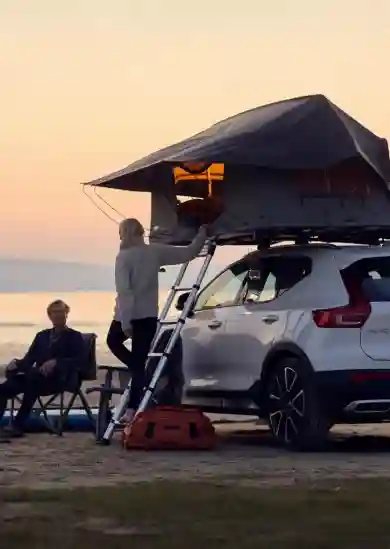
Think of a soft shell as a traditional tent that just happens to live on your roof. It folds out like a book, doubling its footprint once opened.
The Pros:
- Space: Because they fold out, they offer massive floor space. A small footprint on your car can unfold into a mattress that sleeps a family of 3-4.
- Price: This is the entry point. You get the "off the ground" experience for roughly half the price of a premium hard shell.
- Annex Rooms: Models like the Yakima SkyRise allow you to zip on an "annex" (a room below the tent) for changing or storing gear—a feature hard shells rarely offer.
The Cons:
- Setup Time: It takes about 10-15 minutes. You have to undo the travel cover, pull the ladder, insert window rods, and stake out the rainfly.
- Noise: In high winds, the fabric can flap just like a ground tent.
- The Cover: Dealing with a dirty, dusty PVC travel cover every morning is the #1 complaint we hear from owners.
Verdict: If you need to sleep 3+ people or you are on a strict budget, buy the Soft Shell.
2. The Hard Shell Tent (The "Premium" Choice)
Best For: Overlanders, Solo/Couples, and "Setup Speed" Freaks.
The Top Pick: Thule Basin or iKamper Skycamp ($3,500+)
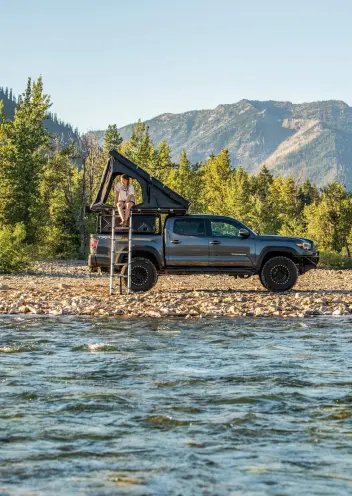
A hard shell is essentially a cargo box that pops up into a bedroom. It uses gas struts or cranks to open instantly.
The Pros:
- Speed: We aren't kidding—setup takes under 60 seconds. Unlatch it, push it up, and you’re done. This is a game-changer when you pull into camp late at night in the rain.
- Aerodynamics: When closed, it looks like a sleek cargo box. Even though hard shells can be heavier, their lower drag profile means they often affect your MPG less than a bulky soft shell brick.
- Durability: The ABS or aluminum shell protects the fabric from tree branches and UV rays while driving.
The Cons:
- Footprint: It doesn't fold out (usually), so the sleeping area is limited to the size of your car's roof. Great for 2 people, tight for 3.
- Price: It is a serious "Buy Once, Cry Once" investment, often costing double that of a soft shell.
Verdict: If you move campsites every single night (Overlanding) and value your time above all else, buy the Hard Shell.
3. The "Hidden" Spec: Dynamic Weight Ratings
Before you buy any tent, you must understand this safety number.
Most factory crossbars are too weak for a tent. You need to know your vehicle’s Dynamic Roof Load Limit (what the roof can hold while moving).
- The Rule: Your vehicle's dynamic roof load limit must be equal to or greater than the weight of the tent.
- Example: If your car is rated for 165 lbs dynamic, you can safely mount a 115 lb Yakima SkyRise.
- The Static Rating: When parked, your roof can hold much more (usually 3-5x the dynamic limit), so don't worry about your own weight sleeping in it. It's the driving weight that matters.
Warning: Do not mount a tent to "clamp-on" racks unless they are specifically rated for it. We highly recommend a Track System or a Platform (like Rhino-Rack) for maximum safety.
Head-to-Head: The "Comfort" Scorecard
| Feature | Soft Shell (Yakima SkyRise) | Hard Shell (Thule Basin) |
|---|---|---|
| Setup Time | 10-15 Minutes | < 1 Minute |
| Mattress Size | King / Family Size | Queen / Double |
| Wind Noise | High (Fabric Flap) | Silent (Rigid Shell) |
| Bedding Storage | Must Remove Pillows | Keep Bedding Inside |
| Price | $$ ($1,800+) | $$$$ ($3,500+) |
FAQ: Questions We Get in the Shop
Q: "Can I leave my bedding inside the tent?"
A: With most Hard Shells (like the Thule Basin), YES. You can leave your sleeping bag and pillows inside, latch it down, and drive away. With Soft Shells, you usually have to strip the bed to fold it flat.
Q: "Will a tent kill my gas mileage?"
A: Yes, but a Hard Shell is surprisingly better. Expect a significant drop with a boxy soft shell, versus a smaller drop with a sleek hard shell wedge due to better aerodynamics.
Q: "Is it hard to take off?"
A: Yes. These tents are heavy. A Yakima SkyRise weighs ~115 lbs, while a Thule Basin weighs ~176 lbs. Unless you have a garage hoist or three strong friends, expect to leave it on your car for the entire camping season.
The Rack Attack Recommendation
- The "I want to camp every weekend" Pick: Get the Thule Basin Wedge. The 30-second setup changes your life. You will camp more often because it's so easy.
- The "Family Vacation" Pick: Get the Thule Approach L. The massive floor space and skylights make it comfortable for parents and kids, and the price leaves room in the budget for gas.
Need to see it to believe it? We have these tents set up in our showrooms. Come to Rack Attack and try climbing the ladder yourself. We’ll show you exactly how they mount to your specific vehicle.


